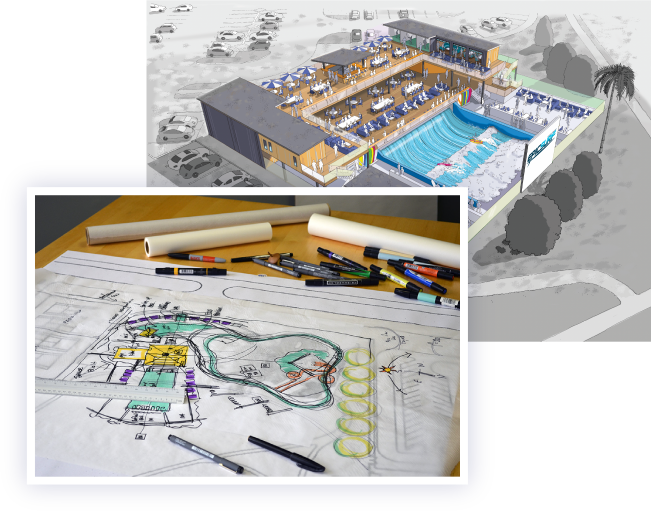

The Opening Day Playbook: Turning Design Into a Successful Launch
When a new aquatic venue is announced, the spotlight is usually on the design and it’s features — the slides, the wave pool, the river, the surf attraction. But what happens after construction wraps and the dust settles?
Opening a water park (or realistically any public venue) is not just about flipping a switch. It is about translating blueprints into daily operations, building (and training) a team from the ground up, and ensuring all I's are dotted & T’s are crossed, so the venue is guest-ready.
In a recent conversation, we sat down with Joshua Martinez, Co-Founder of OSO Consulting, to break down what it really takes to prepare for opening day.
With experience spanning startups and operations at major resorts including Camelback Resort, Great Wolf Resorts, and Wilderness Resorts, Joshua has helped lead seven water park openings across the U.S. His message is clear: “Just because design and construction are complete doesn’t mean the work is done.”
Here is the opening day playbook based on our conversation.
Step One: Move From Guessing to Testing
Before guests ever step foot inside the park, operators must answer a fundamental question:
How does this space actually function?
Joshua emphasizes the importance of commissioning — not just admiring the design on paper, but testing it in real life.
This includes:
Site walks
Guest flow analysis
Team member flow analysis
Emergency response flow
Live action drills
Documentation and sign-off procedures
Commissioning is the bridge between theory and practice. It validates that what looked good in a rendering works safely and efficiently in motion.
Every jurisdiction has different requirements. Every state and country has different codes. Testing systems, documenting results, and ensuring proper approvals are critical before cutting the ribbon.
And perhaps most importantly: operations must be treated as a living, breathing system.
SOPs (Standard Operating Procedures) are essential. But when they become rigid and untouchable, they turn into “that’s how we’ve always done it.” Guests are dynamic. Staff are dynamic. Conditions change. The best operators stay nimble and adjust quickly.
As Joshua puts it, you can design the path — but the guest ultimately determines it.
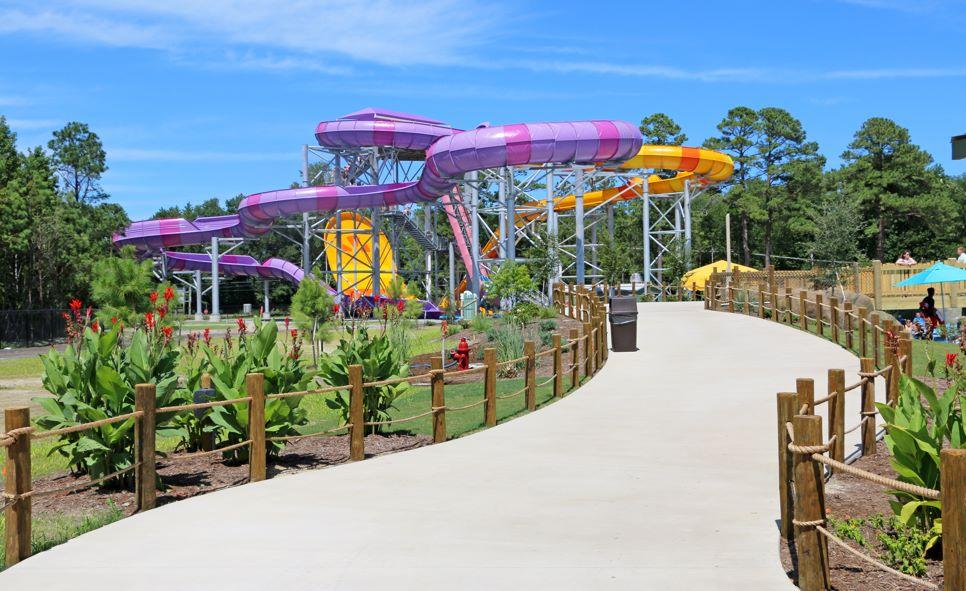
Step Two: Work Backward From Opening Day
If opening day is Memorial Day 2026, what needs to be done by May 25?
Joshua recommends working backward from that date and building structure around three core pillars:
Recruiting
Training
Operations testing
At OSO Consulting, this fits into a broader five-part framework:
Recruiting
Training
Operations
Development
Retention
Before opening, the focus is heavily on the first three.
Working backward clarifies timelines for:
Lifeguard certification classes
Orientation
On-the-job training
Soft openings
Live drills
Structure mitigates chaos. Without it, teams quickly fall behind before guests even arrive.
.jpg)
Step Three: Culture Drives Staffing Success
One of the most common challenges in the industry is staffing. Recruiting seasonal team members, especially lifeguards, is increasingly competitive. To learn more about this phenomenon, you should take a listen to our Smart Park Podcast Episode about the Skilled Labor Crisis: https://youtu.be/T_tABDqMGso?si=visIRNcEl_FAWnSK
Joshua’s perspective is refreshingly direct: culture determines recruiting success.
He references a principle often attributed to Peter Drucker — culture eats strategy for breakfast.
At Wilderness Resorts (Sevierville, TN) Great Wolf Lodge (Gurnee Illinois) , leadership intentionally recruited for attitude and personality over resume lines. The result was strong internal succession and organic recruitment through word-of-mouth (which we agree is priceless).
When team members believe in the mission and feel valued, they bring their friends. They return year after year. They grow into the next generation of leadership, maybe even at your venue.
Joshua calls this Success through Succession.
In a startup environment, culture is not just a nicety. It is a staffing strategy that is tested and proven.
.jpg)
Step Four: Break Down Departmental Silos
Opening day is not won by one department. Aquatics, food and beverage, housekeeping, maintenance, retail, and front office must operate as one cohesive team.
Joshua recalls his experience at Camelback during the launch of Aquatopia, where strong leadership across departments reduced friction for the project. When interdepartmental communication is intentional, friction points shrink, which in turn, improves the guest experience.
That cohesion is built long before opening day, but it helps to have it solidified by the time guests arrive.
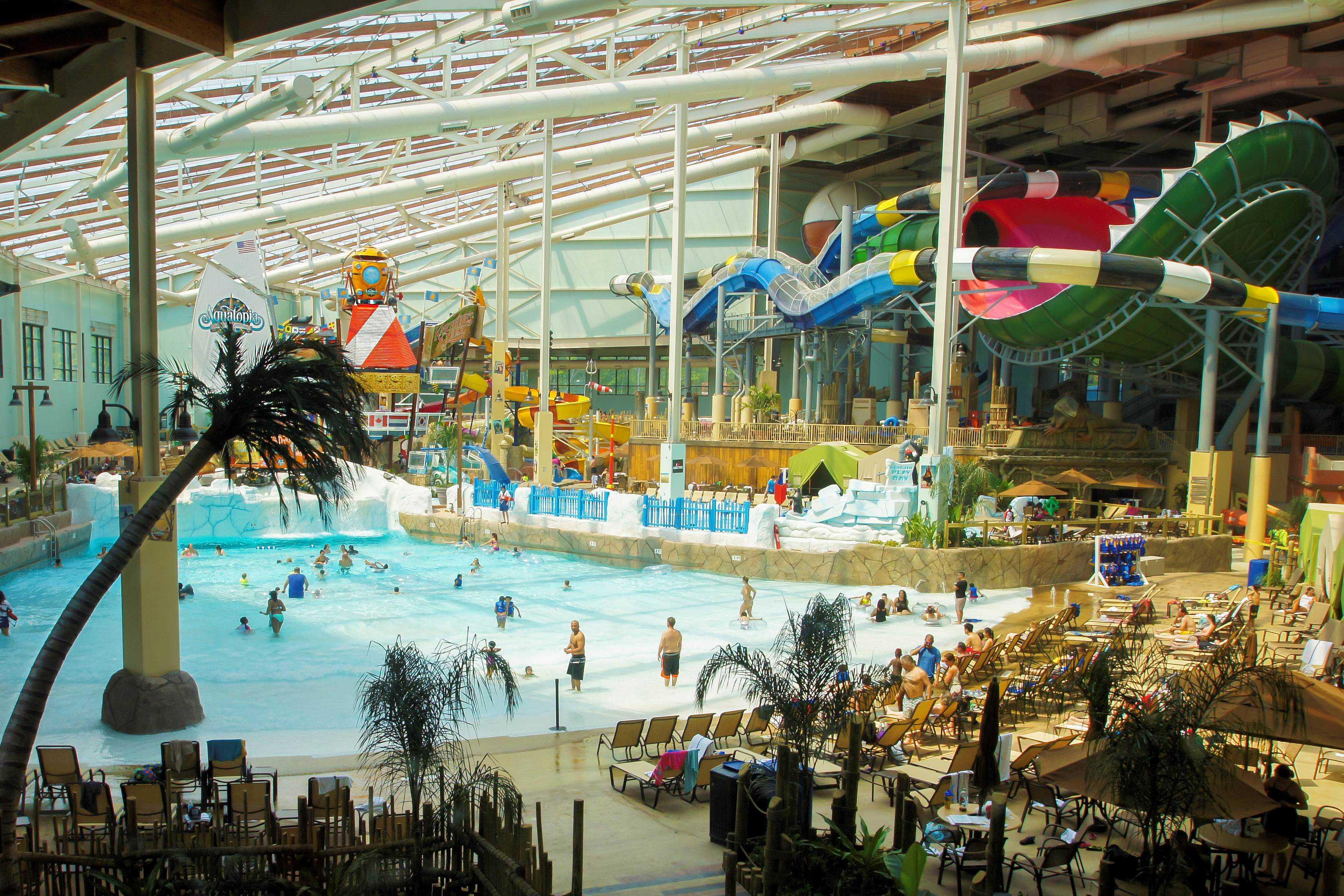
Step Five: Design Impacts Operations More Than You Think
Good design is operationally intelligent, not just visually impressive.
From an operator’s perspective, two design principles stand out:
1. Sightlines
The more a supervisor or lifeguard can see, the safer and more efficient the operation becomes.
A single structural column placed in the wrong position can require an additional lifeguard for the life of the facility — potentially adding hundreds of thousands of dollars in labor costs over time.
Design decisions directly affect:
Labor models
Operational budgets
Safety protocols
Guest satisfaction
2. Guest Flow
Joshua credits his graduate studies at the University of Illinois, including exposure to large-scale park redesign principles like those used at Niagara Falls State Park, with reinforcing how powerful flow can be.
Guests should not feel forced or redirected. Movement should feel natural.
When flow works, guests engage more, friction decreases, spending increases, and complaints decrease.
Shade, seating, rest zones, and intuitive pathways reduce perceived wait time and increase overall satisfaction.
When operators are involved early in design conversations, and designers have operational knowledge, labor can be mitigated before it has to be managed.
.jpg)
Step Six: Prioritize Safety First
Before opening day, safety protocols must be fully tested and validated.
Key priorities include:
Emergency action plans (EAPs)
Live emergency drills
Tabletop exercises
Water quality validation
Filtration and sanitation system testing
Internal audit programs
Third-party audits when required or recommended
Joshua encourages operators to inspect what they expect.
As attractions become more complex — higher-thrill rides, surf experiences, immersive aquatic attractions— the need for expertise increases. The smartest operators bring in subject matter experts when needed rather than assuming they have every answer internally.
.jpg)
The Final Piece of Advice: Expect the Unexpected
After seven successful water park openings, Joshua offers one consistent truth:
No matter how prepared you are, something unexpected will happen.
Startups are dynamic. Weather changes. Staffing fluctuates. Guests behave unpredictably.
But if you have:
A strong operational foundation
A well-trained team
A culture built on leadership
Tested safety systems
A willingness to adapt
You will cross the finish line.
Opening day always comes. The ribbon gets cut. Families make memories. Teams celebrate.
And behind that moment is months — and oftentimes years — of preparation that began long before the first guest entered the gate.
About Joshua Martinez & OSO Consulting
Joshua Martinez is the Co-Founder of OSO Consulting, an aquatic operations consulting firm focused on safer startups, operational excellence, and industry-standard best practices. With more than a decade of experience in water park operations and multiple successful openings across the country, OSO partners with operators to bridge the gap between design and day-to-day execution.
Learn more about OSO Consulting: https://www.theosoconsulting.com/